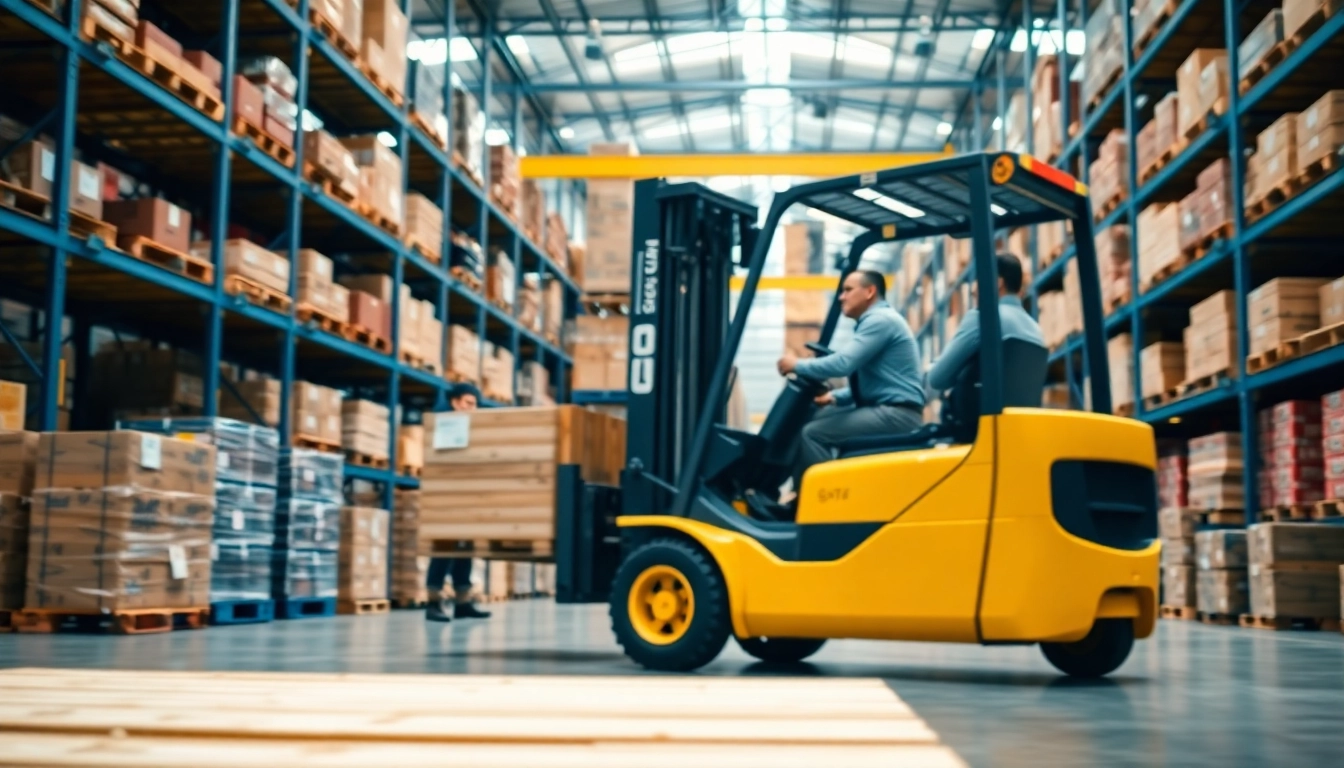
What is Logistics?
Definition and Scope of Logistics
Logistics, at its core, refers to the detailed coordination and implementation of complex operations involving the flow of goods and services from point of origin to final consumption. It encompasses a broad range of activities and has become an indispensable element of modern supply chain management. To elaborate, logistics involves not just the transportation and storage of goods, but also the planning and management of these processes, ensuring timely delivery and efficient use of resources. According to Logistics experts, every logistical process must account for the movement and storage of materials, including information flows that enable visibility and tracking throughout the supply chain.
Types of Logistics: An Overview
Logistics can be categorized into several types, each addressing different aspects of the logistical process:
- Inbound Logistics: This involves all processes related to the receiving, handling, and storing of raw materials until they are needed for production.
- Outbound Logistics: This refers to the process of moving finished products to customers, including storage, distribution, and eventual delivery.
- Third-Party Logistics (3PL): Companies often outsource their logistics operations to third-party providers who specialize in transportation and warehousing, offering a broader scope of services.
- Reverse Logistics: This involves the return processes of goods from consumers back to the manufacturers or retailers, whether for returns, repairs, or recycling.
- Military Logistics: Unique logistical operations that support military operations, ensuring that troops have the necessary supplies and equipment whenever required.
Understanding these types of logistics is crucial for businesses to design their strategies effectively, ensuring efficiency at every stage of their supply chain.
Common Misconceptions about Logistics
Despite its importance, misconceptions about logistics abound. Some of the most common include:
- Logistics is just about transportation: While transportation is a critical component, logistics also includes inventory management, warehousing, packaging, and planning.
- Logistics and supply chain management are the same: Logistics is a subset of supply chain management focused specifically on the flow of goods, whereas supply chain management encompasses a broader range of processes from procurement through production to distribution.
- Outsourcing logistics is only for big companies: Small to medium-sized enterprises can also benefit significantly from outsourcing logistics functions to achieve operational efficiencies.
The Importance of Logistics in Business
How Logistics Impacts Supply Chain Management
Logistics functions as the connective tissue of supply chain management, ensuring that every component—suppliers, manufacturers, and retailers—works together efficiently. Effective logistics management helps in minimizing lead times, reducing costs, and enhancing the overall supply chain responsiveness. Businesses that implement strong logistical strategies often see significant improvements in their inventory turnover and customer service levels.
The Role of Logistics in Customer Satisfaction
In today's competitive marketplace, logistics plays a pivotal role in ensuring customer satisfaction. Fast and reliable delivery services can build loyalty and encourage repeat business. For instance, e-commerce giants like Amazon have set the gold standard for logistics efficiency. They achieve this through advanced logistics strategies that allow for quick order processing and delivery, clearly demonstrating how logistics directly impacts customer perceptions and satisfaction.
Logistics and Competitive Advantage
Companies that excel in logistics not only streamline their operations but can also differentiate themselves in the marketplace. By providing faster, more reliable, and cost-effective services, businesses can create a competitive edge. For instance, a manufacturer that can deliver goods faster than its competitors will gain market share simply by fulfilling customer needs more effectively, illustrating how logistics leads to a sustainable competitive advantage.
Key Components of Logistics Management
Transportation: Choosing the Right Method
The transportation component of logistics is critical, as it dictates how products move through the supply chain. Companies must choose from various methods such as road, rail, air, and sea, each with its pros and cons. The choice of transportation can impact costs, speed, and reliability. For instance, air freight is known for its speed but often comes with higher costs, fitting situations where delivery time is paramount. Understanding the nuances of each method allows businesses to tailor their logistics plans to best meet their needs.
Warehousing: Strategies for Optimization
Warehousing involves the storage of goods and is integral to logistics management. Effective warehousing strategies can optimize space usage and reduce holding costs. Techniques such as just-in-time inventory and cross-docking can minimize unnecessary stock holding while ensuring that goods are readily available when needed. Implementing automated systems and utilizing advanced data analytics can also improve warehousing efficiency, helping companies better manage their inventory and fulfill orders more quickly.
Inventory Management: Best Practices
Managing inventory efficiently is crucial for maintaining a balance between supply and demand. Best practices include:
- Accurate forecasting: Using historical data and market analysis to predict future demand can help businesses stock the right quantities.
- Regular audits: Conducting regular inventory audits ensures that discrepancies are caught early, minimizing losses.
- Utilizing technology: Inventory management software can streamline processes, offering insights into stock levels and turnover rates.
Challenges in Logistics and Their Solutions
Common Logistics Challenges Facing Businesses
Despite its importance, businesses encounter numerous challenges in logistics, including:
- Supply Chain Disruptions: Global events, such as the COVID-19 pandemic, can disrupt supply chains and delay deliveries.
- Rising Transportation Costs: Fluctuating fuel prices and regulatory changes can dramatically affect transportation budgets.
- Labor Shortages: A tight labor market can limit availability of skilled workers in the logistics sector.
Innovative Solutions to Logistics Problems
To address these challenges, businesses are leveraging innovative solutions such as:
- Digital Transformation: Embracing technologies like artificial intelligence and machine learning for predictive analytics can help businesses make informed decisions and anticipate disruptions.
- Collaborative Logistics: Partnering with other companies for shared transportation can enhance efficiency and reduce costs.
- Sourcing Diversification: Building a diverse supplier base can minimize risks associated with supply chain disruptions.
The Future of Logistics: Trends to Watch
As the logistics industry evolves, several trends are becoming prominent:
- Automation: The integration of robotics in warehousing and delivery can significantly enhance efficiency.
- Green Logistics: Reducing carbon footprints through sustainable practices is becoming increasingly important.
- Blockchain Technology: Enhancing transparency in supply chains and facilitating secure transactions.
Measuring Success in Logistics
Key Performance Indicators (KPIs) for Logistics
To assess the effectiveness of their logistics operations, businesses should track several KPIs, such as:
- Order Accuracy: The percentage of orders shipped accurately can reflect efficiency levels.
- Delivery Time: Monitoring average delivery times allows businesses to gauge efficiency and customer satisfaction.
- Cost per Order: Evaluating transportation and storage costs per order can help identify potential areas for savings.
Evaluating Logistics Providers: What to Look For
When partnering with logistics providers, consider aspects such as:
- Experience and Reputation: Look for providers with a proven track record in logistics management.
- Technology Capabilities: Evaluate whether they employ cutting-edge technology for tracking and optimization.
- Flexibility: Providers should be able to adapt to changing business needs and fluctuations in demand.
Continuous Improvement in Logistics Operations
Continuous improvement is vital for sustaining logistics efficiency. Implementing feedback loops, conducting regular reviews of performance metrics, and fostering a culture of innovation within the logistics team can encourage ongoing enhancements. Engaging employees in problem-solving and idea generation can also drive initiatives that lead to operational optimization.