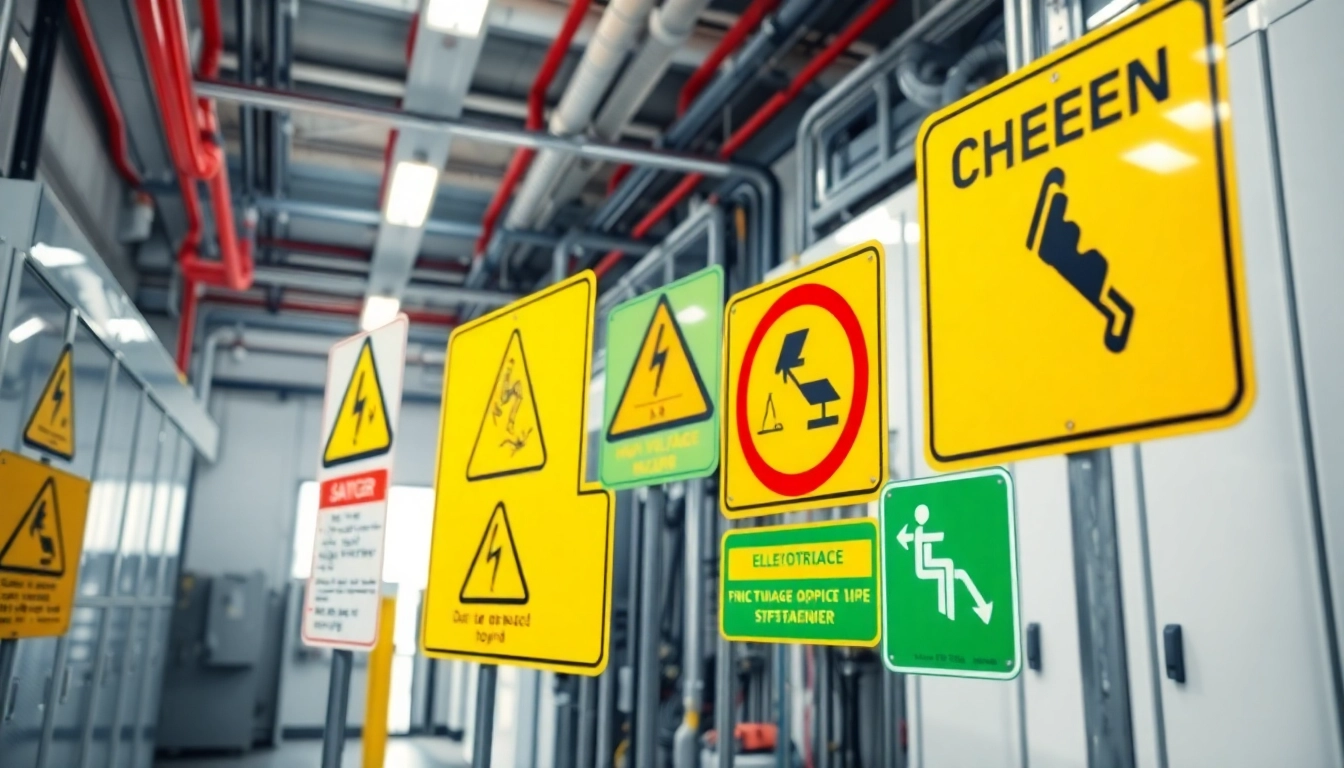
Understanding Electrical Signs
What Are Electrical Signs?
Electrical signs are visual indicators used to communicate crucial information about electrical safety and hazards. They come in various formats and designs, often employing symbols, colors, and text to quickly convey essential messages to workers, electricians, and the general public. These signs play a vital role in guiding individuals through potentially dangerous electrical environments, ensuring that safety protocols are followed and risk of accidents is minimized.
The Importance of Electrical Signs
The significance of electrical signs cannot be understated. They serve as first-level warnings regarding electrical hazards, alerting individuals to the risks present in high-voltage areas, electrical rooms, and other locations where electrical equipment is operated. Furthermore, electrical signs help to protect facilities from potential liabilities linked to accidents. By complying with safety regulations and providing adequate warnings, organizations not only adhere to legal requirements but also foster a culture of safety among employees and visitors alike. For more insight on electrical signs, keep reading.
Types of Electrical Signs
Electrical signs come in several types, each designed to serve specific purposes. Some of the most common types include:
- Warning Signs: Indicate potential hazards like high voltage, live wires, or electrical shock risks.
- Mandatory Signs: Inform individuals of required actions, such as wearing protective gear or grounding procedures.
- Prohibition Signs: Indicate actions that are disallowed in a particular area, like the prohibition of smoking near electrical equipment.
- Information Signs: Provide key information about the electrical system, including emergency contact numbers and shutdown procedures.
- Directional Signs: Guide individuals towards emergency exits or safe zones in case of electrical emergencies.
Electrical Signs and Safety Compliance
Regulatory Standards for Electrical Signs
Safety standards for electrical signage are largely governed by regulatory frameworks such as OSHA (Occupational Safety and Health Administration) and ANSI (American National Standards Institute). These organizations provide guidelines for sign clarity, symbol usage, size, and color coding to ensure maximum visibility and comprehension. Compliance with these standards is mandatory for workplaces dealing with electrical hazards and can significantly reduce the risk of accidents.
Ensuring Visibility and Clarity of Electrical Signs
Visibility and clarity are critical components of effective electrical signage. Signs must be placed where they are easily noticed, using colors that stand out against their backgrounds. For instance, yellow caution signs with black text effectively indicate potential dangers, while green signs typically signify safe actions. Ensuring signs are adequately illuminated is also vital, particularly in low-light environments, to prevent mishaps.
Common Mistakes in Electrical Signage
Several common pitfalls can undermine the effectiveness of electrical signage:
- Poor Placement: Signs placed too high or in obstructions may not be seen.
- Complicated Language: Using technical jargon can confuse individuals rather than providing clarity.
- Neglected Maintenance: Damaged or faded signs may fail to convey necessary warnings, rendering them useless.
Choosing the Right Electrical Signs
Factors to Consider When Selecting Electrical Signs
When selecting electrical signs, a variety of factors need to be considered:
- Environment: Assess if signs will be used indoors or outdoors and choose materials accordingly.
- Compliance Needs: Ensure the signs meet local and federal regulatory standards.
- Durability: Select signs that can withstand environmental factors, such as moisture or UV radiation.
- Aesthetic Integration: Consider how signs fit within the overall design of the facility.
Custom vs. Standard Electrical Signs
Deciding between custom and standard electrical signs depends on specific needs and circumstances. Standard signs are often sufficient for general regulations and widely recognized warnings. However, customized signs can be tailored to provide specific information unique to particular environments or operations, making them potentially more effective for specialized settings.
Cost Considerations for Electrical Signs
The cost associated with electrical signs can vary dramatically based on size, material, design complexity, and whether they are standard or custom-made. While opting for cheaper options may be tempting, investing in high-quality signs ensures durability and compliance over time, ultimately reducing replacement and liability costs. Long-term savings can often outweigh initial expenditures when it comes to safety signage.
Installing Electrical Signs Effectively
Best Practices for Sign Installation
The successful installation of electrical signs requires adhering to best practices, including:
- Correct Height: Ensure the sign is placed at eye level for optimal visibility.
- Secure Fastening: Use appropriate mounting materials to prevent signs from dislodging or being damaged.
- Regular Inspections: Schedule periodic checks to verify that signage remains intact and legible.
Strategic Placement of Electrical Signs
Placement is crucial in signage effectiveness. Signs should be located at decision points where individuals need relevant information, such as at entrances to electrical rooms or areas where work is being conducted. Additionally, consider high-traffic zones where signs will be seen most often, and avoid locations where obstructions may diminish visibility.
Maintenance of Electrical Signs
Regular maintenance of electrical signs is essential to ensure their continued effectiveness. This includes cleaning signs to remove dirt and grime, checking for damage due to environmental factors, and replacing outdated signage that no longer meets safety requirements. Establishing a maintenance schedule can help in keeping electrical signage effective over time.
Frequently Asked Questions about Electrical Signs
What materials are electrical signs made of?
Electrical signs can be made of various materials, including plastic, aluminum, vinyl, and metal, chosen based on intended use, environments, and durability needs.
How do electrical signs improve workplace safety?
Electrical signs enhance workplace safety by providing crucial information and warnings about hazards, ensuring individuals are aware and can avoid dangerous situations in electrical environments.
What are the common symbols found on electrical signs?
Common symbols include a lightning bolt for danger, a yellow triangle for caution, and specific icons indicating protective equipment requirements, among others.
Can electrical signs be customized for specific needs?
Yes, electrical signs can be customized with specific messages, symbols, and designs to suit unique operational requirements and enhance communication within a facility.
How often should electrical signs be inspected for compliance?
Electrical signs should be inspected at least quarterly to ensure they are legible, intact, and compliant with relevant safety regulations to prevent accidents and injuries.
Contact Information
Call Us: 1.780.454.6490
Email: [email protected]
Address: 12925-148 Street NW, Edmonton, Alberta T5L 2H9