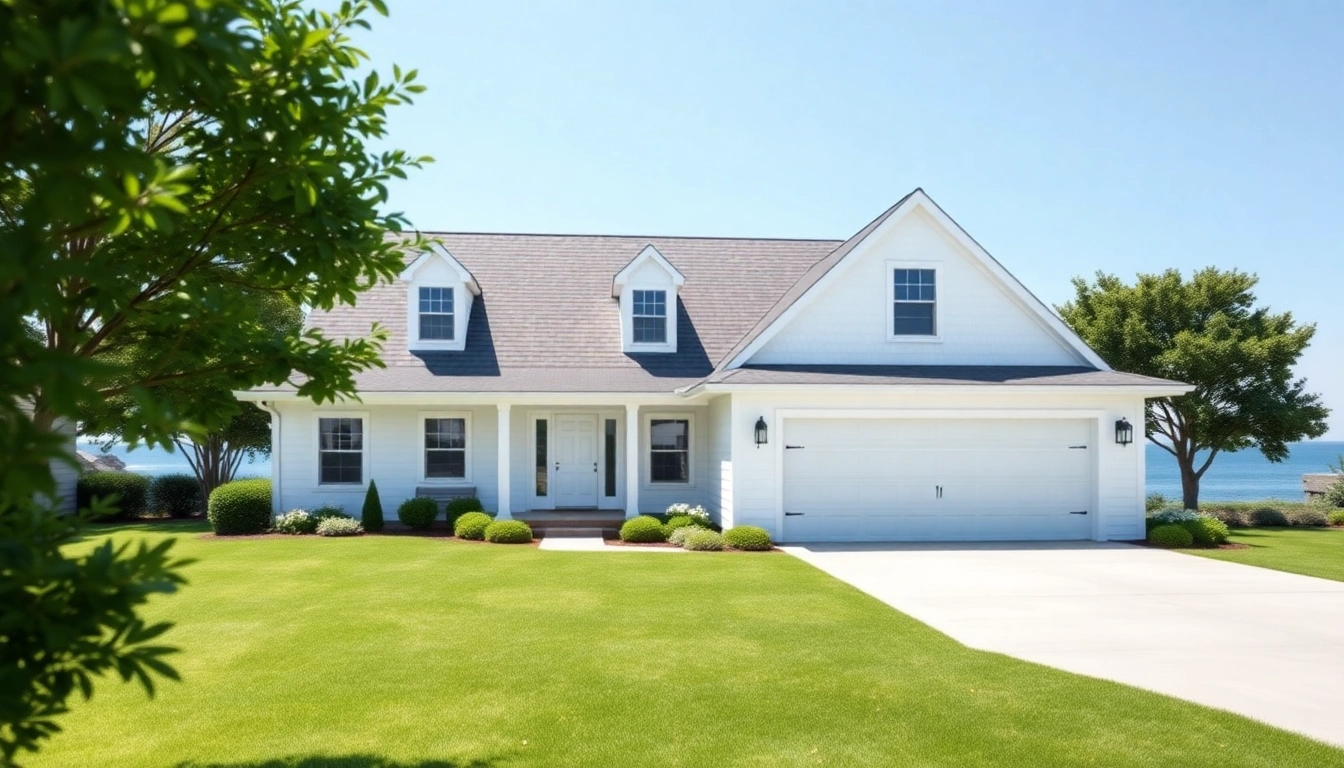
Understanding the Cape Cod Home Aesthetic
Defining Characteristics of Cape Cod Homes
The cape cod home style is known for its simple yet charming design that reflects New England’s coastal beauty. Characterized by steep, pitched roofs that allow for substantial snow shedding alongside dormer windows that enhance natural light, these homes typically feature clapboard siding, shutters, and a symmetrical facade. The layout often includes a central front door flanked by evenly spaced windows, preserving a pleasing sense of balance.
Historical Significance and Evolution
The origin of the Cape Cod home can be traced back to the early colonial days of America, particularly in the 1600s. Initially built by settlers who sought to create a practical dwelling that could withstand harsh New England winters, the design evolved over the years. By the 18th century, Cape Cod homes began to incorporate refined details such as decorative window trims and elaborate porches, lending an air of elegance while maintaining their storied resilience.
Emphasizing Coastal Influence in Design
The aesthetic of Cape Cod homes is intrinsically linked to their coastal environment. Aimed at harmonizing with their surroundings, these homes are often painted in soft, muted colors that reflect the natural landscape—gentle blues, creams, and sandy beige tones dominate. Additionally, landscaping choices like native grasses and hardy garden beds create a seamless transition between the home and the Atlantic, enhancing the serene coastal living experience.
Planning Your Cape Cod Home Expansion
Assessing Your Current Home’s Layout
When considering an expansion, the first step involves a thorough evaluation of your current home. Analyze the existing layout to identify functional limitations or spaces that can be optimized. Assess the flow between rooms; does the layout serve your lifestyle? For instance, if your family has grown, integrating an open-concept design might be more conducive to daily activities and family gatherings.
Designing Your Attached Garage
An attached garage is not only practical but can also enhance the aesthetic appeal of your Cape Cod home. When designing your garage, ensure it complements the home’s architecture. Consider using similar materials and colors to maintain visual consistency. Furthermore, think about maximizing functionality—incorporating storage solutions for equipment, bicycles, and seasonal items can make your garage a versatile space.
Choosing Materials for Harmony and Durability
Building materials play a crucial role in both the aesthetic and longevity of your home. For a Cape Cod expansion, opt for materials that mimic the historical integrity of the original home. Cedar shingles and clapboard siding are timeless choices that work seamlessly with the coastal theme. Additionally, prioritize durability by selecting weather-resistant and low-maintenance options that can withstand the elements, ensuring your home remains beautiful for years to come.
Maximizing Space in Your Cape Cod Home
Innovative Storage Solutions
Space maximization is essential for the functionality of any home, especially in Cape Cod designs that often feature cozy, compact layouts. Explore smart storage ideas like built-in shelves, under-stair storage, or multi-functional furniture. Custom cabinetry can also be an effective way to enhance organization without sacrificing the home’s character, blending seamlessly into the traditional design.
Open Concept Living Ideas
Transforming compartmentalized spaces into an open floor plan can create an airy atmosphere typical of beachside living. Open concept designs promote better flow, allowing natural light to penetrate deeper into the home while making it feel more spacious. Combining the kitchen, dining, and living areas can foster a sense of connectivity, ideal for family interactions and social gatherings.
Outdoor Extensions and Landscaping Tips
Outdoor living is celebrated in Cape Cod culture. Adding decks, patios, or porches serves to create inviting spaces for family and friends. When planning these extensions, ensure they harmonize with the home’s architectural identity. Incorporating native plants and low-maintenance landscaping not only enhances the curb appeal but also promotes sustainability, maintaining the natural beauty of the coastal ecosystem.
Modern Features for a Traditional Cape Cod Home
Incorporating Smart Home Technology
Adding smart home technology to a traditional Cape Cod home may seem counterintuitive; however, it can substantially elevate livability and comfort. Consider integrating smart thermostats, security systems, and lighting controls that complement your home’s aesthetic while providing enhanced convenience and energy efficiency. Smart technology can seamlessly blend into your existing setup when chosen wisely.
Energy Efficiency and Sustainability Practices
Incorporating energy efficiency measures is vital for modern homeowners looking to minimize their environmental footprint. Utilize ENERGY STAR-rated appliances, install high-efficiency windows, and consider solar panel installation if local policies permit. These sustainable practices boost homes’ efficiency while aligning with the traditional values associated with Cape Cod living, where nature and conservation are cherished.
Mixing Traditional and Contemporary Design Elements
Combining classic and contemporary design elements is an innovative way to rejuvenate a traditional Cape Cod home. Consider using modern finishes, such as sleek metal fixtures, juxtaposed against rustic wood beams or shiplap walls. This blend enhances character while providing a fresh take on historical design, maintaining a balance between nostalgia and modernity.
Common Challenges in Cape Cod Home Renovations
Navigating Local Building Regulations
Renovating a Cape Cod home often involves navigating a maze of local building regulations. Research local zoning laws and obtain necessary permits before commencing work on your home expansion. Engaging with local architects or builders familiar with regional codes can streamline the process, ensuring compliance and reducing potential delays in your project timeline.
Dealing with Coastal Weather Conditions
Constructing or renovating a home near the coast presents unique challenges. Homes must withstand challenges such as high winds, saltwater exposure, and heavy snowfall. Prioritize weather-resistant materials and construction methods that can endure these elements. Elevating the structure to prevent flooding during storms can also be a prudent consideration for ensuring longevity and safety.
Budgeting Wisely for Your Project
Budgeting for a home project can be daunting, especially with unpredictability often lurking around the corner. Start with a well-detailed plan that outlines expected costs, and include a contingency fund for unexpected expenses. Engaging a financial advisor or contractor who can provide realistic estimates and project timelines can save significant headaches and ensure your project remains within financial bounds.
Frequently Asked Questions
What are the key features of a Cape Cod home?
Key features include steep roofs, dormer windows, stained wood sidings, symmetrical facades, and sometimes, decorative shutters, all reflecting New England architecture.
How can I expand my Cape Cod home?
Consider adding an attached garage, open-concept areas, or outdoor living spaces. Ensure that any design complements the original architecture for visual harmony.
What materials are best for a Cape Cod home renovation?
Cedar shingles, clapboard siding, and energy-efficient windows are optimal choices for durability and aesthetic cohesion, while ensuring quality craftsmanship.
How does coastal weather affect home design?
Coastal weather demands strong, weather-resistant materials and elevated structures to prevent flooding. Design considerations must account for wind and salt exposure.
What modern updates can I use on a traditional Cape Cod home?
Incorporate smart technology, energy-efficient appliances, and modern fixtures while respecting the home’s traditional elements for a balanced aesthetic.