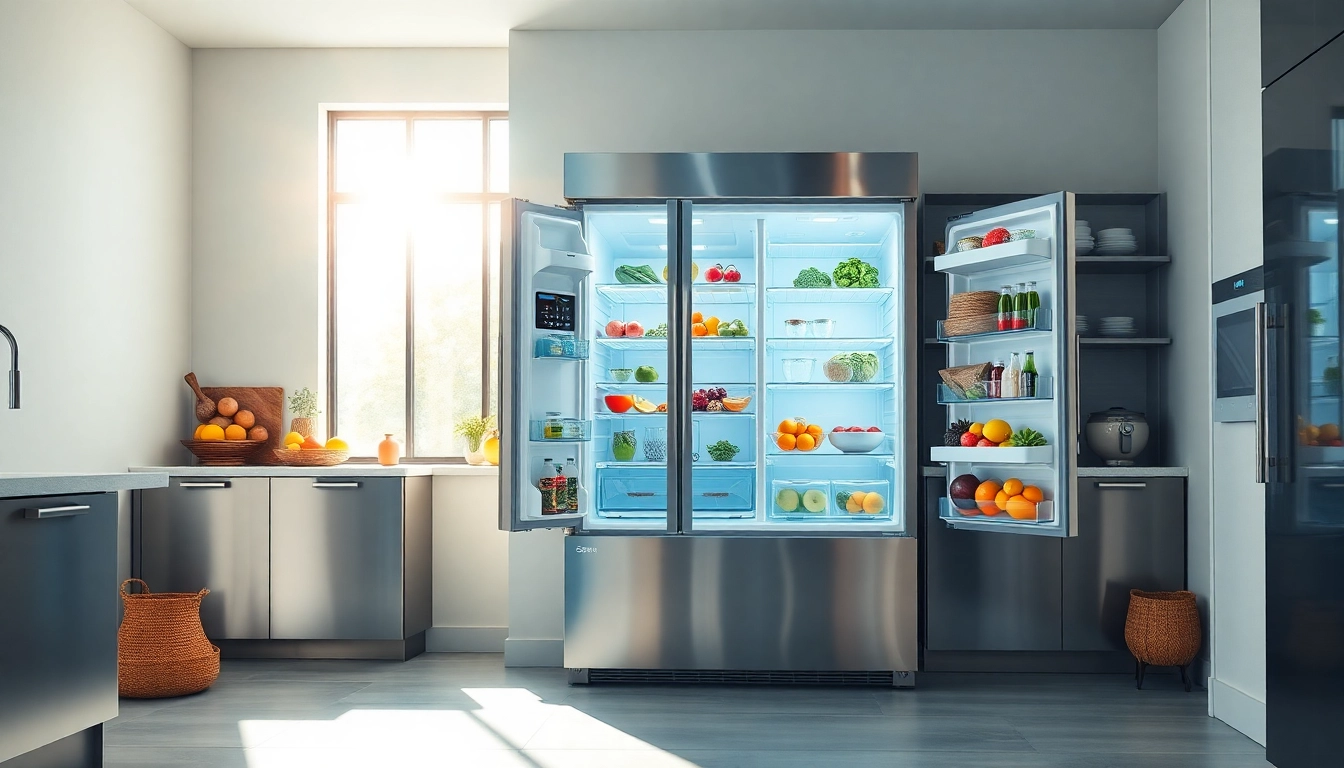
Understanding Different Types of Refrigerators
When it comes to choosing a refrigerator, understanding the types available can simplify the decision-making process. There are three primary types that cater to various needs and kitchen layouts: top-freezer refrigerators, side-by-side refrigerators, and French door refrigerators. Each type carries distinct characteristics that can enhance the functionality of your kitchen and preserve your food effectively.
Top-Freezer Refrigerator Characteristics
The top-freezer refrigerator is a classic design that features a separate compartment for freezing food at the top and refrigeration space at the bottom. This style is typically more budget-friendly and offers a simple, straightforward layout for everyday use.
- Space Efficiency: Often, these models are designed to occupy less vertical space, making them ideal for kitchens with lower ceiling heights.
- Accessibility: Commonly, users find it easier to access frequently used items located within the refrigerator section without background hassle.
- Energy Efficient: Top-freezer refrigerators generally consume less electricity due to their straightforward cooling systems.
Side-by-Side Refrigerator Features
Side-by-side refrigerators present two vertical compartments, with the freezer on one side and the refrigerator on the other. This model has gained popularity for its modern look and convenience.
- Easy Access: Users can easily access both sections without bending or crouching, making it excellent for individuals of all ages.
- Organizational Options: Often equipped with adjustable shelves and door bins, these models provide ample organization for storing various food items.
- Ice and Water Dispensers: Many side-by-side models come with built-in ice makers and external water dispensers, increasing user convenience.
French Door Refrigerator Advantages
French door refrigerators combine the convenience of a side-by-side layout with the spaciousness of a bottom freezer, making them a preferred choice for modern homes.
- Elegant Aesthetic: This design blends seamlessly into contemporary kitchens and provides a sophisticated look.
- Wide Shelving: With wider shelves and bins, these models are perfect for storing larger items, including party platters and large beverages.
- Energy Savings: The bottom freezer opens less often than the main fridge section, which can be more energy-efficient in the long run.
Key Factors to Consider When Buying a Refrigerator
When selecting a refrigerator, it's crucial to evaluate several elements that can affect your satisfaction with the product. Here are key factors to consider to make an informed decision.
Size and Space Requirements for Your Refrigerator
Before committing to a refrigerator model, measure the space in your kitchen and consider door swing access. The goal is to ensure that your new appliance fits comfortably without obstructing pathways or doors.
- Standard Sizes: Refrigerators usually come in standard widths of 30 to 36 inches, with varying depths and heights. Verify your space against these specifications.
- Considerations for Built-ins: If you opt for a built-in model, consult with a designer to determine proper installation dimensions.
Energy Efficiency Ratings and Their Importance
Energy efficiency is not just an environmental consideration; it can significantly impact your utility bills. Look for Energy Star certification on models, which indicates compliance with energy efficiency guidelines.
- Long-term Savings: Energy-efficient refrigerators can save users hundreds of dollars over time due to reduced electricity consumption.
- Environmental Impact: By choosing energy-efficient appliances, you contribute to reduced greenhouse gas emissions.
Budgeting for Your New Refrigerator
Setting a realistic budget is essential in this purchase. Consider not only the initial cost but also maintenance, repair, and operating expenses over the years.
- Model Variance: Prices vary significantly based on features, size, and brand; top-freezer models tend to be cheaper than high-end French door designs.
- Financing Options: Many retailers offer financing options, allowing you to spread out payments over months if needed.
Essential Features in Modern Refrigerators
Modern refrigerators come with several innovative features designed to enhance functionality and convenience. Understanding these features will assist you in identifying the right refrigerator for your needs.
Smart Technology and Connectivity in Refrigerators
Smart refrigerators are setting new trends in kitchen technology, offering connectivity features to control temperature settings, access inventory, and even stream media.
- Wi-Fi Capabilities: Many smart models allow users to connect their appliances to home Wi-Fi networks, enabling app-based control from smartphones.
- Inventory Management: Some advanced models can track food inventory and send reminders when items are nearing expiration.
Interior Organization Solutions for Refrigerators
Effective interior storage solutions are essential for maximizing the usable space in your refrigerator. Look for specific organizational features that suit your needs.
- Adjustable Shelving: Models with adjustable shelf heights provide flexibility to accommodate tall items.
- Slide-out Bins: Sliding bins improve accessibility for frequently used items.
Cooling Systems and Temperature Control in Refrigerators
A refrigerator's cooling system and temperature control capabilities are pivotal for ensuring food safety and freshness.
- Multi-Zone Cooling: Refrigerators with separate climate control zones for different food types help prevent spoilage and food waste.
- Temperature Adjustment: Look for models equipped with intuitive temperature displays and adjustment controls for easy regulation.
Maintenance Tips for Prolonging Refrigerator Lifespan
Maintaining your refrigerator properly is crucial for extending its lifespan and ensuring optimal performance. Here are key maintenance tips to follow.
Regular Cleaning and Care for Your Refrigerator
Regular cleaning can help maintain optimal performance and efficiency. Aim to clean both the exterior and interior of the refrigerator every month.
- Dust and Debris Removal: Ensure the condenser coils are clean, which helps the refrigerator run efficiently.
- Interior Cleaning: Clean spills immediately and use a mild cleaner to wipe down shelving and bins regularly.
Identifying Common Refrigerator Problems
Identifying and addressing refrigerator issues early can prevent costly repairs in the future. Some common problems include:
- Temperature Fluctuations: If your refrigerator is not maintaining a consistent temperature, check door seals for damage and condensation.
- Noisy Operation: Unusual sounds may indicate issues with parts like the compressor or fans and should be investigated.
Professional Services for Refrigerator Repairs
While some minor issues can be resolved DIY, others may require professional assistance to ensure proper repairs and maintenance.
- Scheduled Maintenance: Consider annual check-ups conducted by professionals to address wear and tear before issues arise.
- Warranty Utilization: Make use of warranty services for repairs or replacements if applicable.
Frequently Asked Questions About Refrigerators
What is the average lifespan of a refrigerator?
The average lifespan of a refrigerator ranges from 10 to 20 years, depending on usage and maintenance.
How do I know what size refrigerator to buy?
Measure your kitchen space, accounting for door swings and available depth. Standard widths are 30 to 36 inches.
What should I look for in energy-efficient refrigerators?
Look for Energy Star certification and models with adjustable temperatures, efficient cooling systems, and LED lighting.
How do I maintain the optimal temperature in my refrigerator?
Keep the refrigerator temperature at or below 40°F and the freezer at 0°F to ensure food safety and freshness.
Are there any types of refrigerators that require less maintenance?
French door and side-by-side refrigerators often come with features that reduce the need for frequent maintenance.