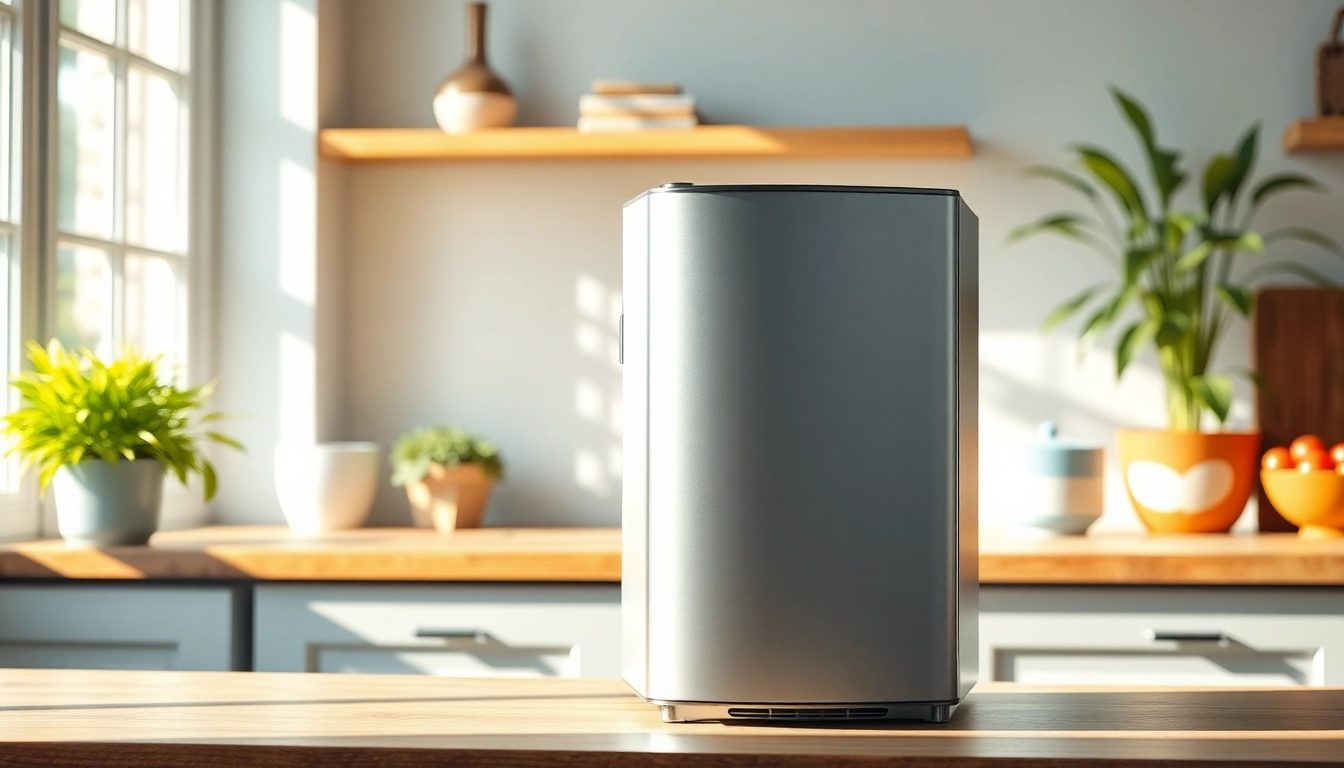
Understanding Affordable Mini Fridge and Freezer Options
In today’s fast-paced world, having a dedicated space to store food and beverages efficiently is vital. Whether you’re in a compact apartment, dorm room, or office, an affordable mini fridge and freezer can be a game-changer. This article explores various types of mini fridges, their benefits, and key features that can help guide your investment.
Types of Mini Fridges
Mini fridges come in various styles to cater to different needs and spaces. Here’s a breakdown:
- Compact Refrigerators: These typically have a small footprint and are great for tight spaces, perfect for bedrooms or small kitchens.
- Cube Refrigerators: Shaped like a cube, they offer limited storage but can fit in any corner of your home or office.
- Bar Refrigerators: Designed for entertaining, these mini fridges often come with glass doors and are ideal for displaying beverages.
- Dual-Function Mini Fridges: These not only cool but also have separate freezer compartments, allowing for versatile storage.
Benefits of Having a Mini Fridge and Freezer
Choosing an affordable mini fridge and freezer can lead to a plethora of benefits:
- Space Efficiency: Perfect for small living spaces, they maximize functionality without taking up much room.
- Convenience: Keep snacks and drinks on hand for quick access, promoting a more comfortable living environment.
- Flexibility: Ideal for various locations, whether in the office, outdoors, or even during your travels.
- Cost-Effective: Generally cheaper than full-sized refrigerators, they also save on energy costs.
Key Features to Consider
When exploring options for a mini fridge, consider the following features:
- Energy Efficiency: Look for models with Energy Star ratings to ensure lower energy consumption.
- Adjustable Shelves: Flexibility in shelving allows for the accommodation of various item sizes.
- Temperature Control: Consistent cooling is crucial, so models with temperature control dials are preferable.
- Noise Level: A quieter model can greatly enhance comfort, especially in small living areas.
Selecting the Ideal Size and Capacity
Measuring Your Space
Before purchasing, it is essential to measure your available space accurately. Consider both the height and width of the area where the mini fridge will reside. Ensure there’s enough room for ventilation for optimal performance.
Storage Capacity Considerations
Think about how much food and beverages you plan to store. A capacity of 1.7 to 4.5 cubic feet is usually sufficient for personal use, but larger capacities are available if needed.
Compact Designs vs. Traditional Sizes
Compact designs are a reliable option for those looking for minimalist styles or specific functionalities. Traditional sizes may offer additional storage space but can be bulkier. Compare your needs and space limitations to make the best decision.
Energy Efficiency and Costs
Energy Ratings Explained
Energy ratings reflect the efficiency of your mini fridge. Energy Star-certified appliances are designed to use 15% less energy than non-certified models, translating to monetary savings on energy bills.
Long-term Savings with Energy-efficient Models
Initially, energy-efficient models may be slightly pricier, but the long-term savings on electricity bills coupled with the lower environmental impact outweigh the initial cost. Regular usage will result in notable savings over time.
Comparing Purchase Prices and Operating Costs
When determining the overall cost of ownership, consider both purchase price and operating costs over time. Cheap options may lead to higher electricity bills, while a slightly more expensive model could be more cost-effective in the long run.
Common Challenges and Solutions
Dealing with Limited Space
Limited space can be a challenge, especially in smaller apartments. Consider utilizing vertical space and organizing items by type, using bins to enhance accessibility while maximizing storage.
Noise Levels and Comfort
Some mini fridges can be noisy, disrupting your living environment. Research quieter models with noise-reducing technology before purchasing.
Temperature Control Issues
Inconsistent cooling can lead to food spoilage. If you experience temperature fluctuations, check the positioning of your fridge, ensuring it’s not exposed to direct sunlight or hot appliances and that the door seals properly.
Maintenance Tips for Longevity
Cleaning and Maintenance Guidelines
Regular cleaning is essential for maximizing your mini fridge’s lifespan. Unplug and clean it every few months, focusing on the coils to remove dust and debris, which can impede efficiency.
When to Seek Professional Repair
If you notice persistent issues such as loud noises, temperature irregularities, or leaks, it may be time to consult a professional. Early intervention can prevent larger repairs later on.
Maximizing Efficiency Through Proper Usage
Keep items organized, as overcrowding can hinder airflow. Aim for a temperature around 37°F (3°C) for best preservation while ensuring the door is not left open longer than necessary.
FAQs About Affordable Mini Fridge and Freezer
1. What is the average lifespan of a mini fridge?
The average lifespan of a mini fridge is about 10 to 15 years, depending on usage and maintenance. Regular cleaning and proper usage can prolong this lifespan.
2. Can I use a mini fridge outside?
Using a mini fridge outdoors is possible, but ensure it’s designed for outdoor use to withstand weather conditions. Always check the specific product specifications.
3. Do mini fridges consume a lot of electricity?
Mini fridges are generally energy-efficient, consuming less electricity than full-sized models. Opt for Energy Star-rated models for the best efficiency.
4. Are mini fridges noisy?
Noise levels vary by model. Some mini fridges operate quietly, while others may produce noticeable sounds. Consider noise ratings when making your purchase.
5. What items should I avoid storing in a mini fridge?
Avoid storing items like hot foods, glass containers without ventilation, and dairy products that require specific temperature maintenance. Each model has guidelines for safe storage.