Understanding Canopy Tent Types
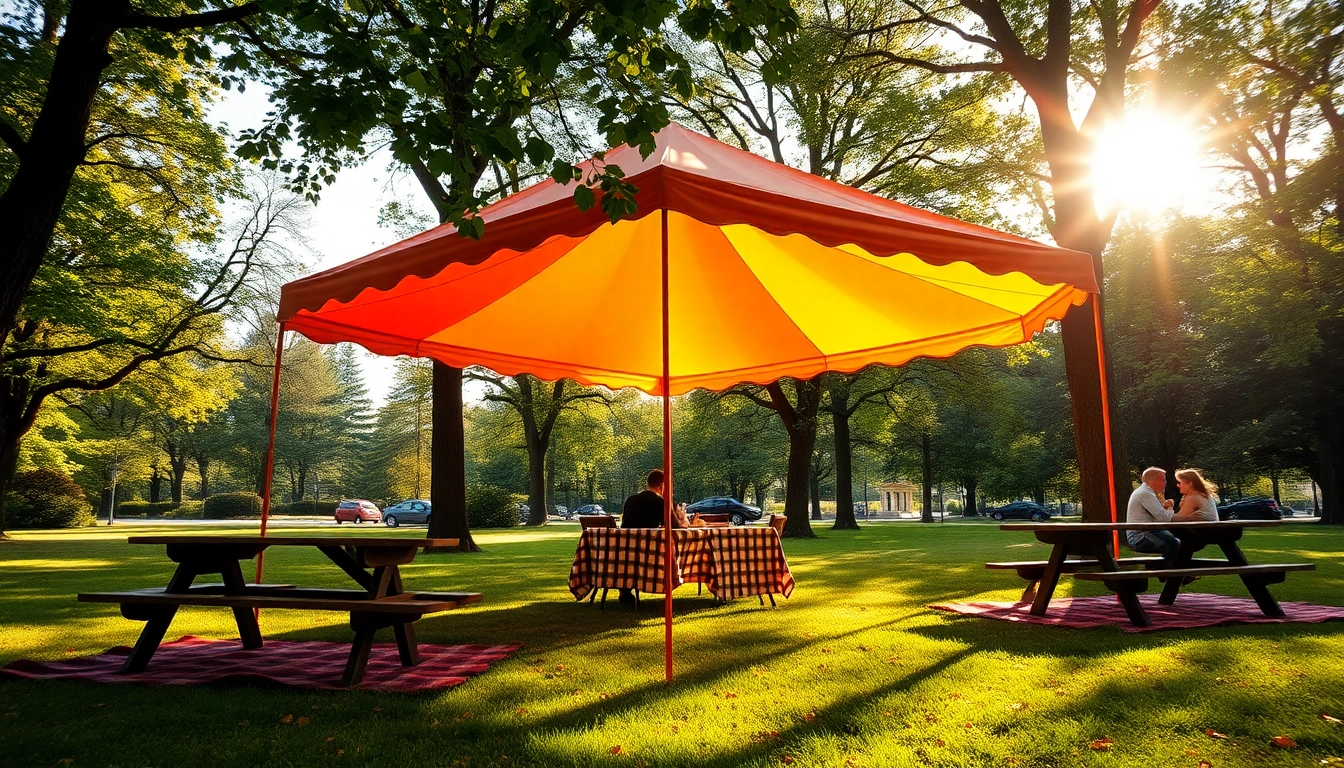
Canopy tents are indispensable tools for outdoor activities, whether it’s family gatherings, fairs, or simply enjoying a day at the beach. To select the right one, it’s crucial to understand the various types available. Each type serves a distinct purpose and can significantly affect your outdoor experience. In this guide, we’ll delve into different materials, sizes, and features that define canopy tents.
Different Materials Used in Canopy Tents
Canopy tents come in a range of materials, each offering unique benefits and drawbacks. Here are the most common options:
- Polyester: Known for its durability and resistance to fading. It’s lightweight and often coated with a waterproof layer, making it a popular choice for casual use.
- Canvas: This natural fabric offers excellent breathability and is usually more robust than polyester. It’s preferred for long-term use, although it requires more maintenance to prevent mold.
- Vinyl: Ideal for commercial settings, vinyl canopies are extremely durable and often waterproof. They perform well in harsh weather conditions but can be bulkier and heavier to transport.
- PE (Polyethylene): A cost-effective option for short-term use. PE is water-resistant yet not as durable as other materials. It’s commonly used in budget-friendly tents for parties or trade shows.
Popular Sizes for Canopy Tents
Choosing the right size is fundamental for maximizing the utility of your canopy tent. Popular sizes include:
- 10×10 ft: This size is versatile, suitable for small gatherings and events, providing adequate coverage for a few tables or seating.
- 10×20 ft: Ideal for larger parties, it can comfortably accommodate more tables and guests.
- 20×20 ft: Great for events like weddings or fairs where more space is required. It offers a grand setup for seamless gatherings.
- Custom Sizes: Many brands offer the option to customize sizes, which can meet specific needs, especially for commercial events.
Special Features to Consider
When shopping for a canopy tent, consider additional features that can enhance your outdoor experience:
- Sidewalls: Providing extra protection from wind and rain. Some canopies come with attachable sidewalls to improve coverage.
- UV Protection: Look for canopies with UV-resistant fabrics to safeguard against harmful rays during sunny days.
- Adjustable Heights: Many tents allow you to adjust the height, which is beneficial for different activities or for aesthetics.
- Integrated Lighting: Some models come with built-in LED lights for evening events, adding a touch of convenience and ambiance.
Benefits of Using a Canopy Tent
The benefits of utilizing a canopy tent are manifold, ranging from practical to experiential. Here are the key advantages:
Protection from Sun and Rain
One of the primary functions of a canopy tent is to offer protection against various weather elements. A well-structured canopy can shield guests from harsh UV rays or unexpected rain showers. This functionality is essential for ensuring a comfortable outdoor experience, promoting longer gatherings without weather interruptions.
Enhancing Outdoor Gatherings
A canopy tent not only protects but also enhances the overall atmosphere of outdoor events. By providing a designated space, it encourages social interaction while differentiating zones for activities like dining or relaxing. Decorations can transform a simple tent into a themed wonderland for events such as birthdays or weddings.
Portability and Easy Setup
Modern canopy tents are designed for convenience. Many feature pop-up mechanisms that allow for quick setup and takedown. Their lightweight materials and foldable designs make them easy to transport, which is ideal for both casual outings and professional events.
Choosing the Right Canopy Tent
Selecting an appropriate canopy tent requires careful consideration of several factors beyond just size and material. Here’s how to make an informed choice:
Assessing Your Event Needs
Begin by identifying the purpose of the canopy tent. Will it be used for personal gatherings, community events, or commercial purposes? Understanding your needs will guide you toward the appropriate size, material, and features. For instance, a tent for a craft fair will differ significantly from one intended for casual family picnics.
Budget Considerations
Your budget will play a crucial role in determining the type of canopy tent you can acquire. Canopy tents range in price based on their materials and features. It’s essential to assess the trade-off between quality and affordability. Investing in a more durable option might be beneficial for frequent use, while a budget-friendly model may suffice for occasional events.
Checking Weight and Mobility
If you plan to transport your canopy tent regularly, consider its weight and ease of mobility. Lightweight options are typically easier to carry but might compromise durability. Conversely, heavier tents may offer enhanced stability but can be cumbersome. Choosing a balance between weight and utility is crucial.
Maintenance Tips for Canopy Tents
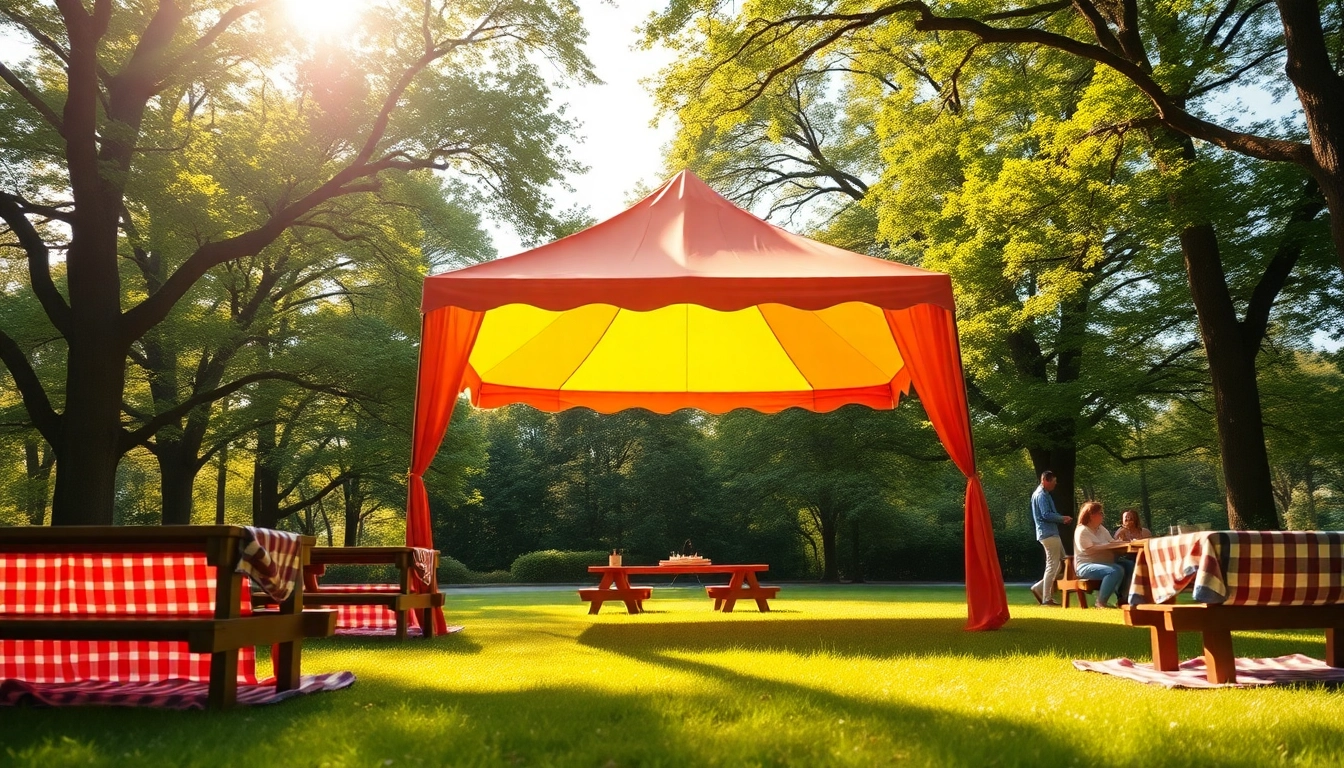
To ensure the longevity and continued functionality of your canopy tent, maintaining it properly is essential. Here are some best practices for care and upkeep:
Cleaning and Care Instructions
To clean a canopy tent, start by wiping it down with a soft cloth and mild soap mixed in warm water. Avoid bleach or abrasive materials that could damage the fabric. Pay special attention to stains or areas that tend to collect dirt or grime. Rinse thoroughly and allow it to air-dry completely before folding it for storage.
Storage Recommendations
Proper storage is crucial to prevent mildew and decay. Always ensure the tent is dry and clean before folding it and placing it in a storage bag. Avoid storing it in damp areas and try to keep it in a temperature-regulated environment to prevent material degradation.
Repairing Minor Damages
Minor damages such as small tears or loose seams can often be repaired easily. Use a fabric patch, adhesive, or specially designed repair kits available at outdoor supply stores. For larger damages, consider consulting professionals to fix the tent effectively, ensuring its continued use for future events.
FAQs About Canopy Tents
What size canopy tent should I choose for a family gathering?
For family gatherings, a 10×10 ft canopy is ideal for small groups, while larger families may consider 10×20 ft for more space.
How do I securely set up my canopy tent?
Use stakes and weights to anchor your canopy tent, ensuring stability against wind and outdoor elements.
Are canopy tents waterproof?
Many canopy tents are water-resistant but ensure to check the specifications for complete waterproof features.
Can I use a canopy tent for commercial events?
Yes, canopy tents are perfect for trade shows, markets, and outdoor festivals, providing shelter and visibility.
What maintenance does a canopy tent require?
Regularly clean your tent with mild soap and water, and store it dry to prevent mold and wear.