Understanding Bed Bugs: A Comprehensive Overview
What Are Bed Bugs?
Bed bugs are small, reddish-brown insects that feed on the blood of humans and animals. They are nocturnal creatures, emerging primarily at night to feed. Adults are approximately 4 to 5 mm long and can be easily mistaken for other pests due to their size and shape. Their flattened bodies allow them to hide in tight spaces, making detection challenging. Understanding their biology and behavior is essential for effective pest control.
Life Cycle and Behavior of Bed Bugs
The life cycle of a bed bug consists of several stages: egg, nymph, and adult. A female bed bug can lay up to 500 eggs in her lifetime, and these eggs hatch within a week under optimal conditions. Nymphs go through five molts before reaching adulthood, with each stage requiring a blood meal to develop. This lifecycle can lead to rapid population growth and widespread infestation if not controlled effectively. They tend to congregate in clusters and often hide in mattresses, furniture, and crevices, making detection challenging.
Common Signs of Bed Bug Infestation
Recognizing the signs of a bed bug infestation is critical for timely intervention. Common indicators include:
- Blood stains on sheets or mattresses.
- Dark spots (bed bug excrement) on surfaces.
- Visible bed bugs in hiding spots such as seams of mattresses or furniture.
- Itchy bites on exposed skin, often organized in clusters.
If any of these signs are present, it’s important to act quickly to prevent the infestation from spreading and to explore affordable bed bug control options.
Affordable Bed Bug Control Methods
Home Remedies for Bed Bug Control
Home remedies for bed bug control can offer immediate, cost-effective solutions. Some popular methods include:
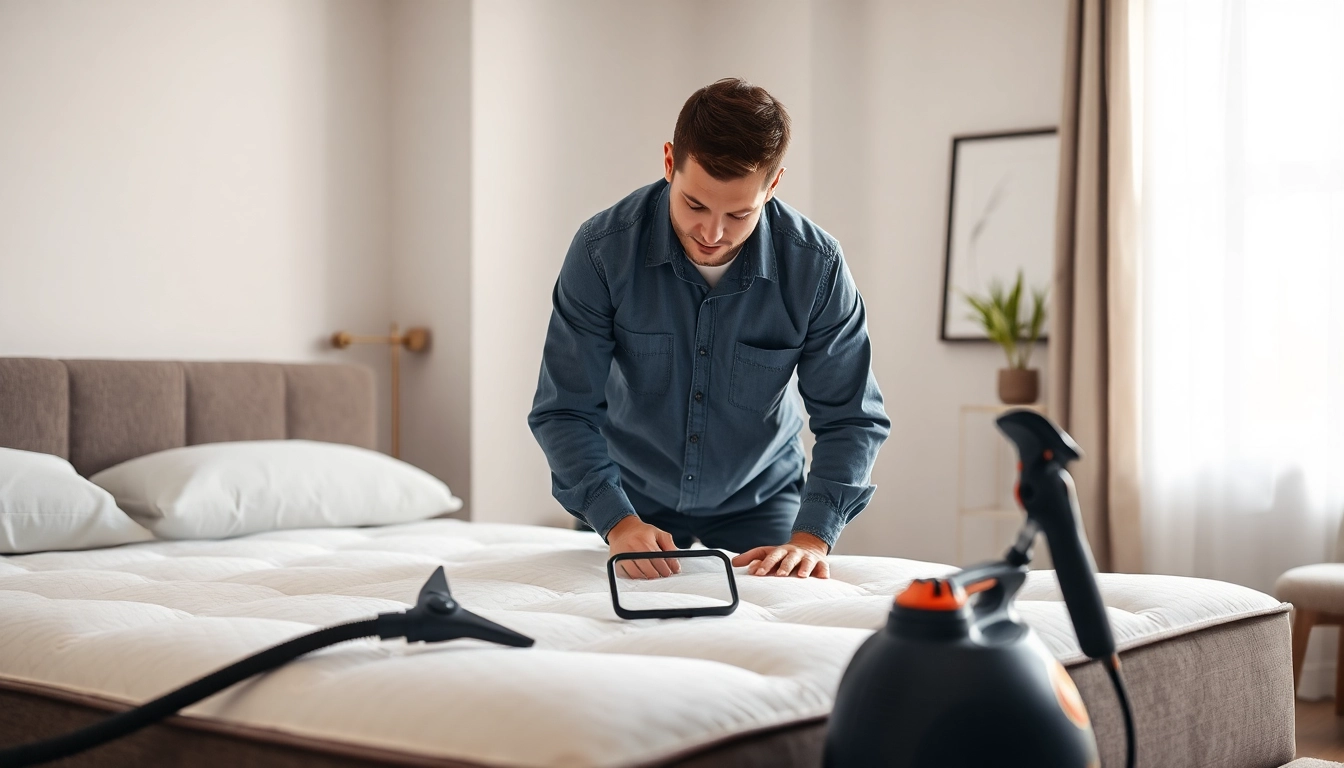
- Steam Treatment: Using steam to kill bed bugs on contact. High temperatures (above 120°F) can eradicate bed bugs in all life stages.
- Diatomaceous Earth: This natural powder damages the exoskeleton of bed bugs, leading to dehydration and death.
- Vacuuming: Regular vacuuming of infested areas can significantly reduce bed bug populations. Be sure to dispose of vacuum bags immediately.
- Washing Fabrics: Washing bedding and clothing in hot water and drying them on high heat can effectively eliminate eggs and adult bugs.
Professional Services: Balancing Cost and Effectiveness
While DIY methods can be effective, hiring a professional exterminator may be necessary for more extensive infestations. Professional services typically include:
- Inspection: Thorough assessments to locate infestations.
- Treatment Options: These may include chemical treatments, heat treatments, or a combination of both, tailored to the extent of the infestation.
- Follow-up Visits: Professionals often provide follow-up services to ensure that the extermination was successful.
While professional services may involve upfront costs, they can save money in the long run by ensuring total eradication.
DIY Tips for Budget-Friendly Control
If professional extermination is outside your budget, there are several cost-effective strategies you can employ:
- Encasements: Use mattress and box spring encasements to contain and eliminate bed bugs.
- Organizing Clutter: Reducing clutter can limit hiding spots for bed bugs, making it easier to manage and inspect areas of your home.
- Regular Inspections: Frequent checks for signs of bed bugs can help identify issues before they escalate.
- Social Sharing: Seek advice on online platforms and communities where people share experiences and tips for inexpensive solutions.
Preventing Bed Bugs: Long-Term Solutions
Best Practices in Pest Prevention
Preventive measures can save you from future infestations. Consider these best practices:
- Careful Inspections: Inspect second-hand furniture and items before bringing them into your home.
- Travel Precautions: When traveling, inspect hotel rooms and keep luggage elevated off the bed.
- Regular Cleaning: Maintain a clean home, vacuuming regularly and washing bedding every week.
Importance of Regular Inspection and Maintenance
Regular inspections can help catch infestations early, allowing for faster and more cost-effective treatment. Consider setting periodic reminders to check common areas where bed bugs hide.
What to Do After Treatment?
After treatment, it’s crucial to maintain vigilance to prevent reinfestation. Follow-up inspections, continued regular cleaning, and vigilance during travel are key components of long-term prevention.
Understanding Costs: Budgeting for Bed Bug Control
Estimated Costs of Professional Treatment
The cost of professional bed bug treatment varies based on several factors, including the severity of the infestation and the size of the area being treated. On average, property owners can expect to pay anywhere from $300 to $1,500 for effective extermination services. While this may seem steep, investing in effective treatment is crucial for preventing further costs associated with lost belongings and health risks.
Comparing Cost-Effective Products
Home treatment products—like sprays and powders—can range from $10 to $50, depending on the brand and size. Be wary of overly cheap options as they may not deliver effective results. Research and select products that have proven efficacy based on user feedback.
Insurance and Financial Assistance Options
Explore insurance options that may cover pest control services. Some health insurance policies might cover the cost of treatment if bed bugs cause stress or health issues, while local assistance programs may provide resources or reduced-cost services for low-income individuals.
FAQs About Affordable Bed Bug Control
What is the cheapest way to get rid of bed bugs?
The cheapest methods include using diatomaceous earth or steam treatment. Regular vacuuming and hot washing bedding can also help reduce their population.
Can I treat bed bugs without a professional?
Yes, DIY methods like steam cleaning, vacuuming, and using encasements are effective for smaller infestations, but extensive infestations may require professional help.
What everyday products help in bed bug control?
Products like diatomaceous earth, essential oils (like tea tree oil), and steam cleaners are helpful in treating infestations when used correctly.
How often should I check for bed bugs?
Regular inspections every few months, or when returning from travel, can help catch infestations early and prevent them from worsening.
Are there any governmental programs for pest control?
Some local government and community programs offer financial assistance or resources for pest control, particularly for low-income households or public housing residents.