Understanding Ceramic Heaters
Ceramic heaters are becoming increasingly popular in residential and commercial settings due to their energy efficiency and innovative heating technology. Utilizing a ceramic core for heat retention, these heaters provide consistent warmth while minimizing energy consumption. When exploring options, ceramic heater products have gained a reputation for their reliability and affordable running costs in comparison to conventional heating solutions.
What is a Ceramic Heater?
A ceramic heater is a type of space heater that uses ceramic plates or a ceramic core as its heating element. Unlike traditional electric heaters that mainly rely on resistive coils, ceramic heaters make use of a positive temperature coefficient (PTC) material that heats up quickly and retains warmth long after the power is turned off. This efficient heat retention allows ceramic heaters to warm up a room more effectively while consuming less energy.
Benefits of Using Ceramic Heaters
- Energy Efficiency: Ceramic heaters convert nearly all the electricity they consume directly into heat, leading to lower energy bills.
- Rapid Heating: They can heat up quickly due to the efficient thermal properties of the ceramic material, providing immediate comfort.
- Environmental Impact: By using less energy, ceramic heaters contribute to a reduction in energy consumption, making them a more environmentally friendly option.
- Silence: Most ceramic heaters operate silently, making them ideal for bedrooms and workspaces where noise can be disruptive.
Comparing Ceramic Heaters with Other Heating Options
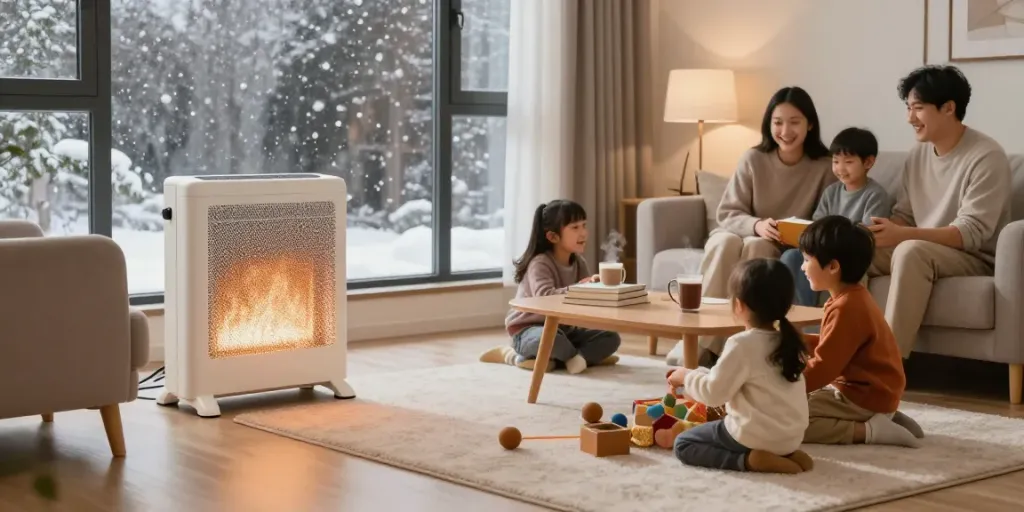
When compared to oil-filled radiators, electric convection heaters, or gas heaters, ceramic heaters often offer superior efficiency for room heating. For example, while oil-filled radiators require time to heat the oil before beginning to radiate heat, ceramic heaters provide instant warmth. This makes ceramic heaters suitable for spaces where immediate heating is desired, such as offices or living rooms during the colder months.
How Ceramic Heaters Work
The functionality of ceramic heaters relies heavily on the principles of thermal conductivity and heat storage. When electricity flows through the ceramic element, it heats up rapidly due to its high thermal inertia. This process is efficient and can significantly enhance the comfort of a room, particularly in cold climates.
The Technology Behind Ceramic Heating
The core technology behind ceramic heaters involves the use of ceramic materials that possess a high positive temperature coefficient. This property means that as they heat up, their resistance increases, thus making them safer to use. The ability to warm quickly and maintain heat without the continual need for energy input is a key differentiator of ceramic heaters in the market.
Heat Transfer Mechanisms in Ceramic Heaters
There are three primary mechanisms through which ceramic heaters transfer heat: conduction, convection, and thermal radiation. Conduction refers to heat transfer through direct contact, where heat moves from the ceramic core to the exterior surface. Convection involves the movement of warm air, creating a cycle where warmed air rises and cooler air is drawn to the heater. Lastly, thermal radiation allows heat to be emitted in the form of infrared radiation, providing warmth without heating the surrounding air first.
Energy Efficiency Explained
Energy efficiency is a crucial aspect of any heating solution. Ceramic heaters excel in this area because they utilize a significantly higher portion of the energy consumed for actual heating purposes. Their rapid heating abilities allow for reduced operating time, translating to lower energy consumption and reduced costs in the long run. This efficiency not only benefits your wallet but also contributes to environmental sustainability by lowering overall energy demand.
Cost Considerations for Ceramic Heating
Understanding the financial implications of incorporating ceramic heaters into your home is essential for making an informed purchasing decision. This includes evaluating both the initial costs as well as ongoing operational expenses.
Initial and Long-Term Costs of Ceramic Heaters
The upfront cost of ceramic heaters can vary significantly based on size, brand, and features such as smart technology integration. Generally, you can expect to invest anywhere from $30 to $200 for a quality ceramic heater. Long-term costs primarily revolve around electricity consumption, which will depend on your local energy rates and the heater's wattage. The efficiency of ceramic heaters means that they may save you more on your electricity bills over time compared to less efficient heating options.
Estimating Running Costs: A Practical Guide
To get a better understanding of running costs, consider the following formula: Running Cost = Power (kW) × Operating Time (hours) × Electricity Price (£/kWh). For instance, if you operate a 1,500W ceramic heater for 3 hours a day at an electricity rate of 30p per kWh, the cost would be approximately £0.45 per day. Thus, estimating based on your usage can greatly assist in budgeting for your heating needs.
Cost Comparison with Oil-Filled and Electric Heaters
In general, ceramic heaters tend to be cheaper to run than oil-filled and traditional electric heaters. While all types convert electricity to heat, ceramic heaters can maintain warmth without continuous energy input due to their heat-retaining capabilities. This quality allows them to turn off after reaching the desired temperature, unlike traditional units that might need to stay on longer to provide the same level of heat.
Selecting the Right Ceramic Heater for Your Home
Choosing the appropriate ceramic heater for your home environment can significantly enhance comfort while optimizing energy usage. Here are some factors to consider when making your selection.
Factors to Consider When Choosing a Ceramic Heater
- Room Size: Ensure the heater's wattage is suitable for the room's dimensions—generally, 100 watts per square meter is a good baseline.
- Features: Look for features such as digital thermostats, programmable timers, and remote control options to make operation more convenient.
- Safety Features: Always opt for units with safety certifications, tip-over protection, and overheat shut-off mechanisms.
Ideal Applications for Ceramic Heaters
Ceramic heaters are incredibly versatile and can be used in various settings including:
- Residential spaces (living rooms, bedrooms, and home offices)
- Commercial environments (offices and retail spaces)
- Supplemental heating in garages, workshops, or any area requiring targeted warmth
Energy-Efficient Features to Look For
When selecting a ceramic heater, consider models equipped with energy-efficient features, such as:
- Programmable timers to automate heating schedules
- Wi-Fi or smart home integration for remote control
- Accurate thermostats that minimize energy waste
Installation and Safety Tips for Ceramic Heaters
Proper installation and adherence to safety guidelines are paramount when using ceramic heaters to ensure optimal performance and safety.
How to Install a Ceramic Heater
Most ceramic heaters are designed for easy setup. Follow the manufacturer's instructions closely, ensuring that the unit is placed on a stable, level surface away from flammable materials. Wall-mounted options should be fixed securely according to provided guidelines.
Safety Guidelines When Using Ceramic Heaters
- Keep the heater at least three feet away from furniture and curtains.
- Never leave the heater unattended while in use.
- Regularly check the unit for any signs of damage or wear.
Maintenance Best Practices for Longevity
To extend the life of your ceramic heater, maintain it by regularly cleaning dust and debris from the surface, ensuring that air vents are not clogged, and checking electronic components for proper functionality.
Frequently Asked Questions
Many potential users of ceramic heaters have common questions regarding their operation and efficiency. Below are some of the most frequently asked questions.
Do ceramic heaters use a lot of electricity?
Ceramic heaters are generally energy-efficient, especially when equipped with smart controls that optimize heating schedules. However, like all electric heaters, they will consume more electricity if run continuously at higher settings.
What are the disadvantages of a ceramic heater?
Some disadvantages may include their need for an electrical outlet, which can restrict placement, and potential limitations in heating larger spaces effectively. Additionally, they may take time to heat a large area when compared to central heating systems.
Are ceramic heaters better for you?
Ceramic heaters can be considered safer compared to traditional electric heaters due to their low surface temperature and built-in safety features. They also provide consistent heating without drying out the air, which can benefit overall comfort.
Can I leave a ceramic heater on overnight?
While ceramic heaters are equipped with safety features, it is generally not advisable to leave them unattended while sleeping. Opt for models with timer functions that can turn off automatically after a set period.
What is the ideal room size for a ceramic heater?
Room size greatly influences the required wattage of your ceramic heater. For effective heating, a space of approximately 10 square meters would benefit from a 1,000W to 1,200W heater, while larger rooms may require higher wattages.